

Visual Lectionary for October 11, 2026 | Proper 23
Visual Resources for the Lectionaries
This post offers visual resources for the Revised Common Lectionary and the Narrative Lectionary for October 11, 2026. Use this chart for quick links to the texts and the resource pages on cartoonistbible.com.
Proper 23
CLICK HERE to jump to the Narrative Lectionary Resources
Revised Common Lectionary Resources
First Reading
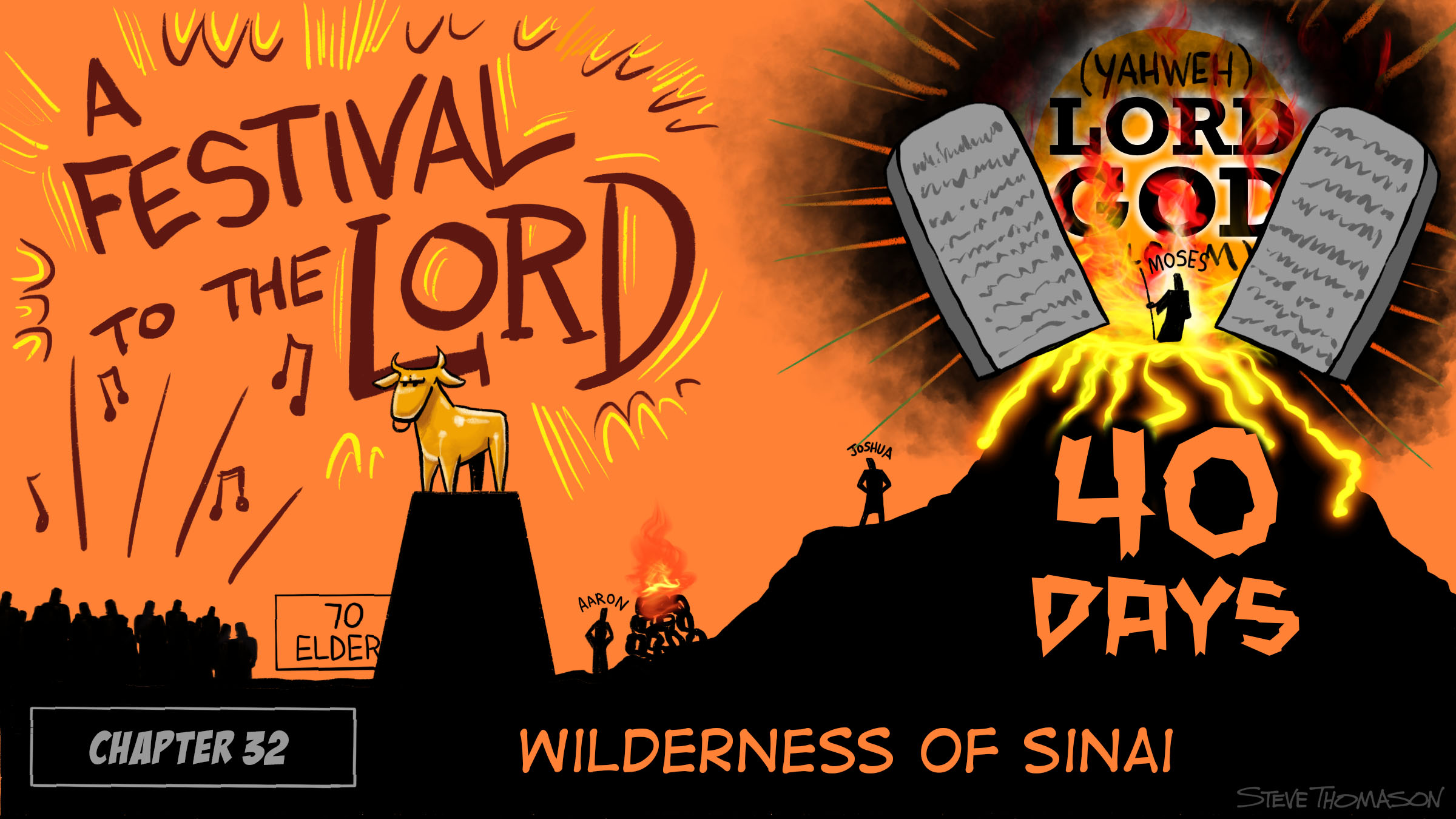
Exodus 32:1-14
OR
Isaiah 25:1-9
Psalm
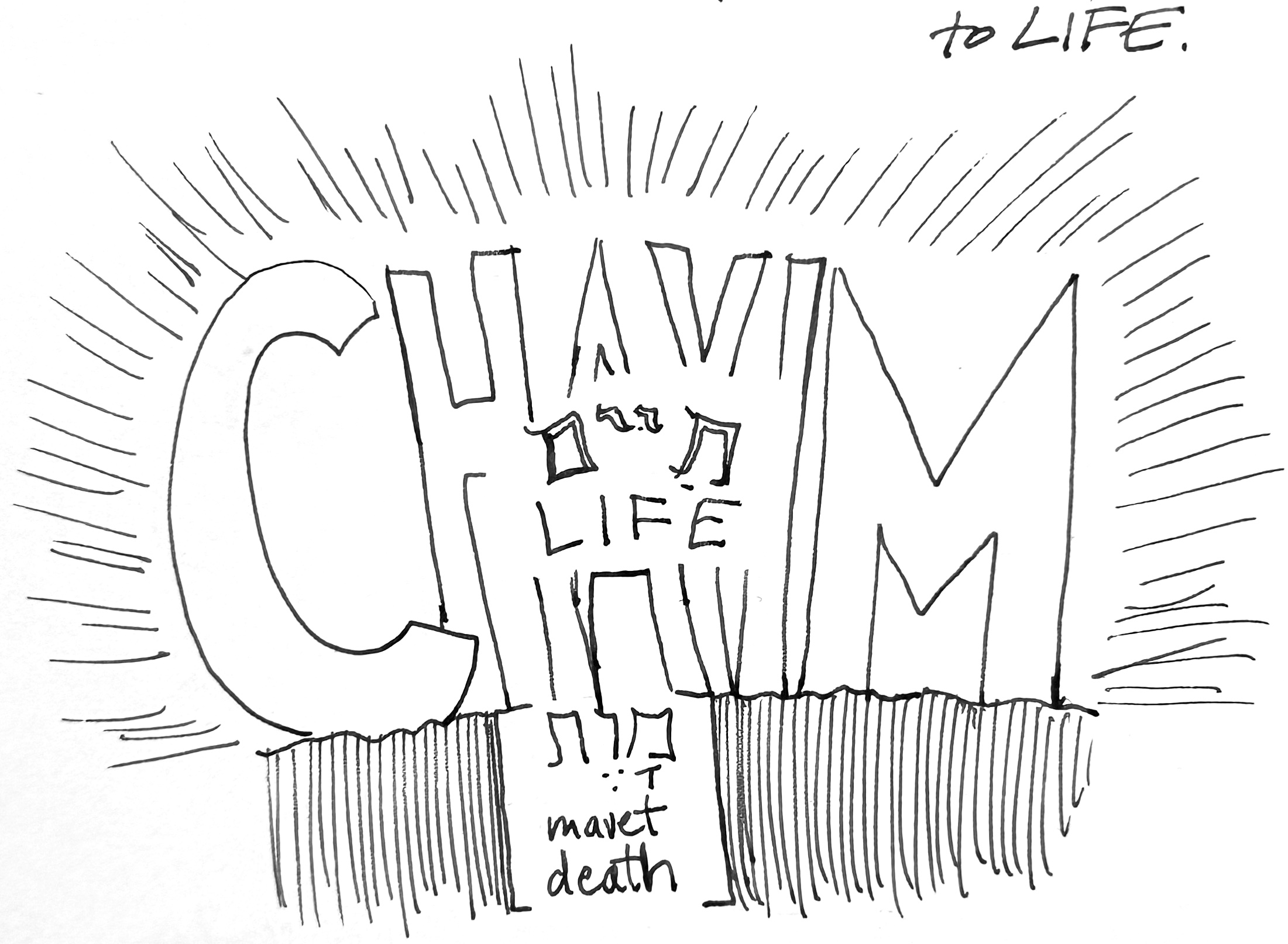
Psalm 106:1-6, 19-23
OR
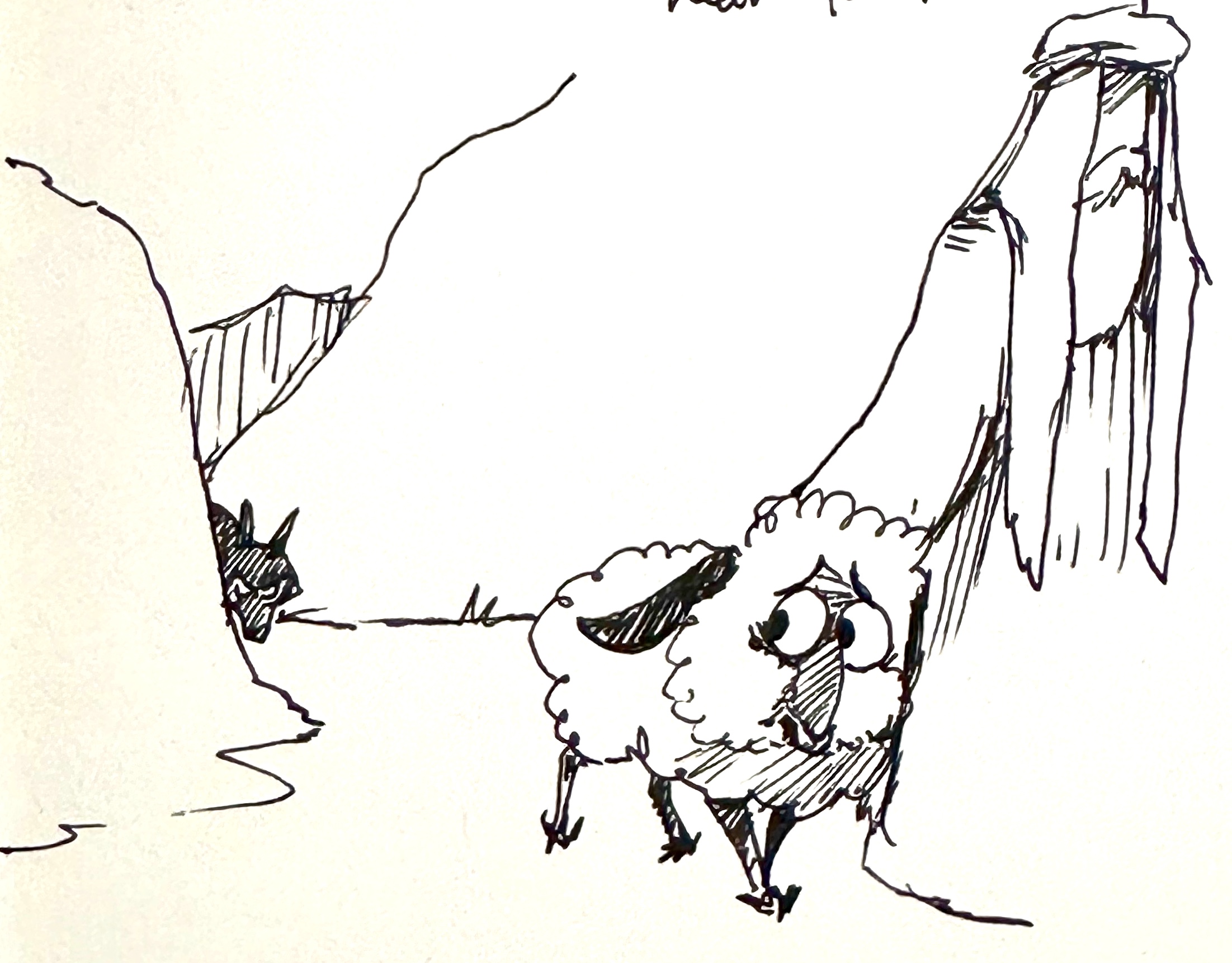
Psalm 23:1-6
Second Reading
Philippians 4:1-9
Gospel Reading – Matthew 22:1-14

Food for Thought
The Gospel reading this week brings us to the third and final parable in Jesus’ response to the religious leaders. After the first two parables, the leaders “realized that he was speaking about them. They wanted to arrest him, but feared the crowds, because they regarded him as a prophet (Matthew 21:45-46).” Once again, the religious leaders allowed fear to be their guide.
Jesus told them one more parable. Let’s remember how Jesus began his triplet of parables. The religious leaders had refused to answer Jesus’ question about John the Baptist because they were afraid. Jesus said to them, “Neither will I tell you by what authority I am doing these things.” Instead, he told them three parables. We must remember that he is talking about authority throughout these parables.
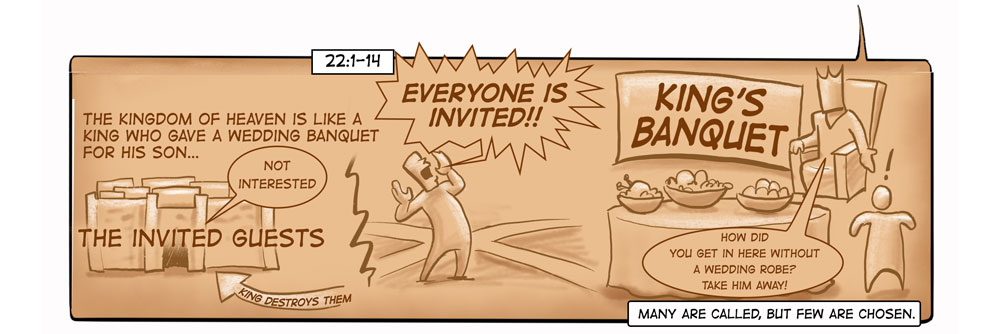
The third parable is different than the first two. This one begins, “The kingdom of heaven may be compared to…” This is a difficult parable to interpret. The standard interpretation says that the King represents God and the banquet represents the kingdom of heaven that Jesus has been proclaiming in his ministry. The religious leaders are the ones who have rejected God’s invitation, so they are destroyed. God then invites everyone to the banquet. One guy shows up without the proper dress and he is cast out into darkness. Harsh.
If you would like to explore an alternative interpretation, I invite you to read this post. In it I explore the possibility that Jesus is identifying himself as the man without the robes who is thrown into darkness. The King represents the Imperial power system of Herod and Rome. The religious leaders are the “good and bad” who have been forced to attend the banquet and live in fear. Jesus is the one who stands up to tyranny, “speechless” and unafraid. He is like Isaiah’s suffering servant, ready to be executed rather than bow down in fear to tyranny. According to this interpretation, Jesus is accusing the religious leaders of being fearful pawns in the tyrannical power systems of the day.
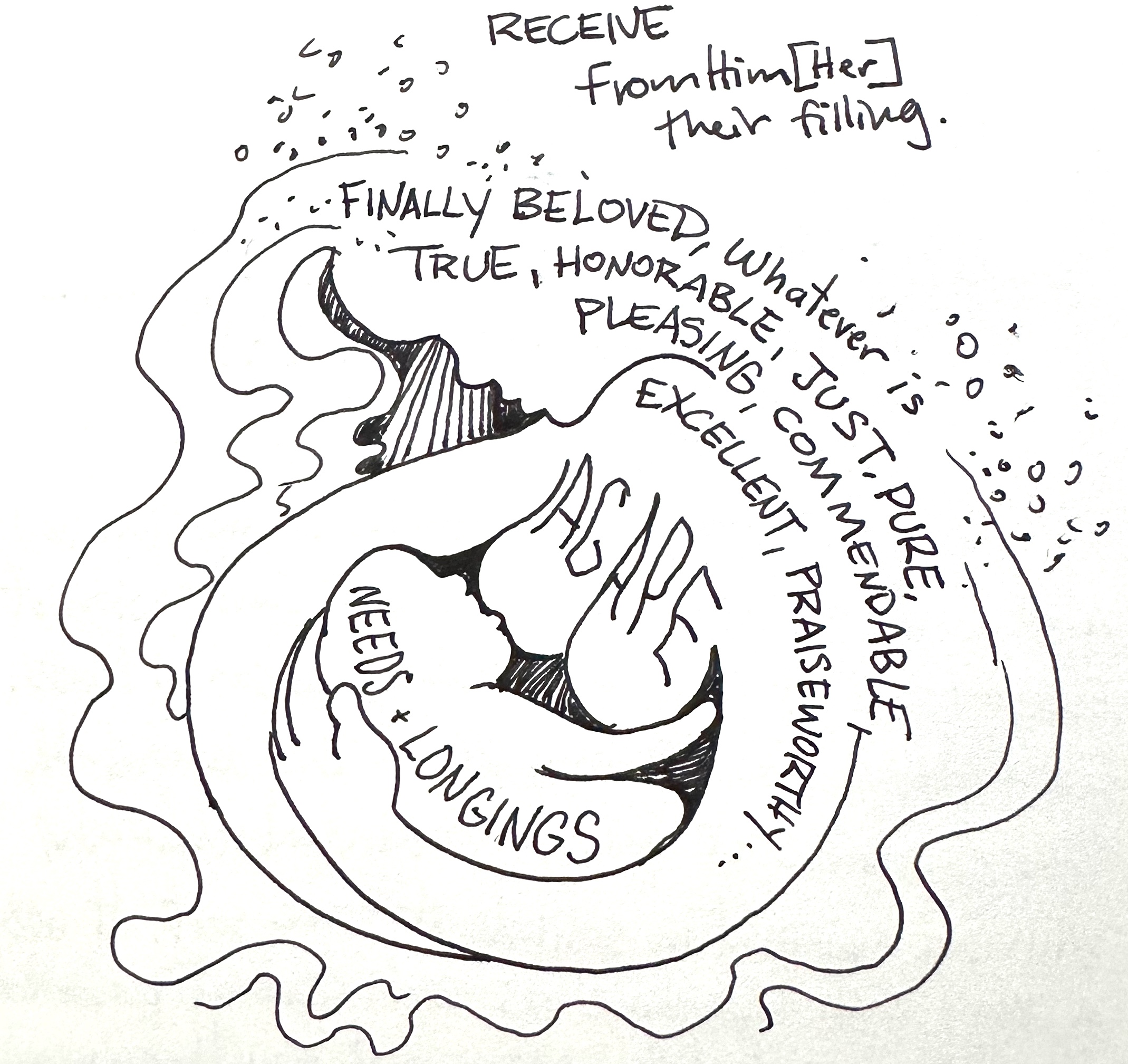
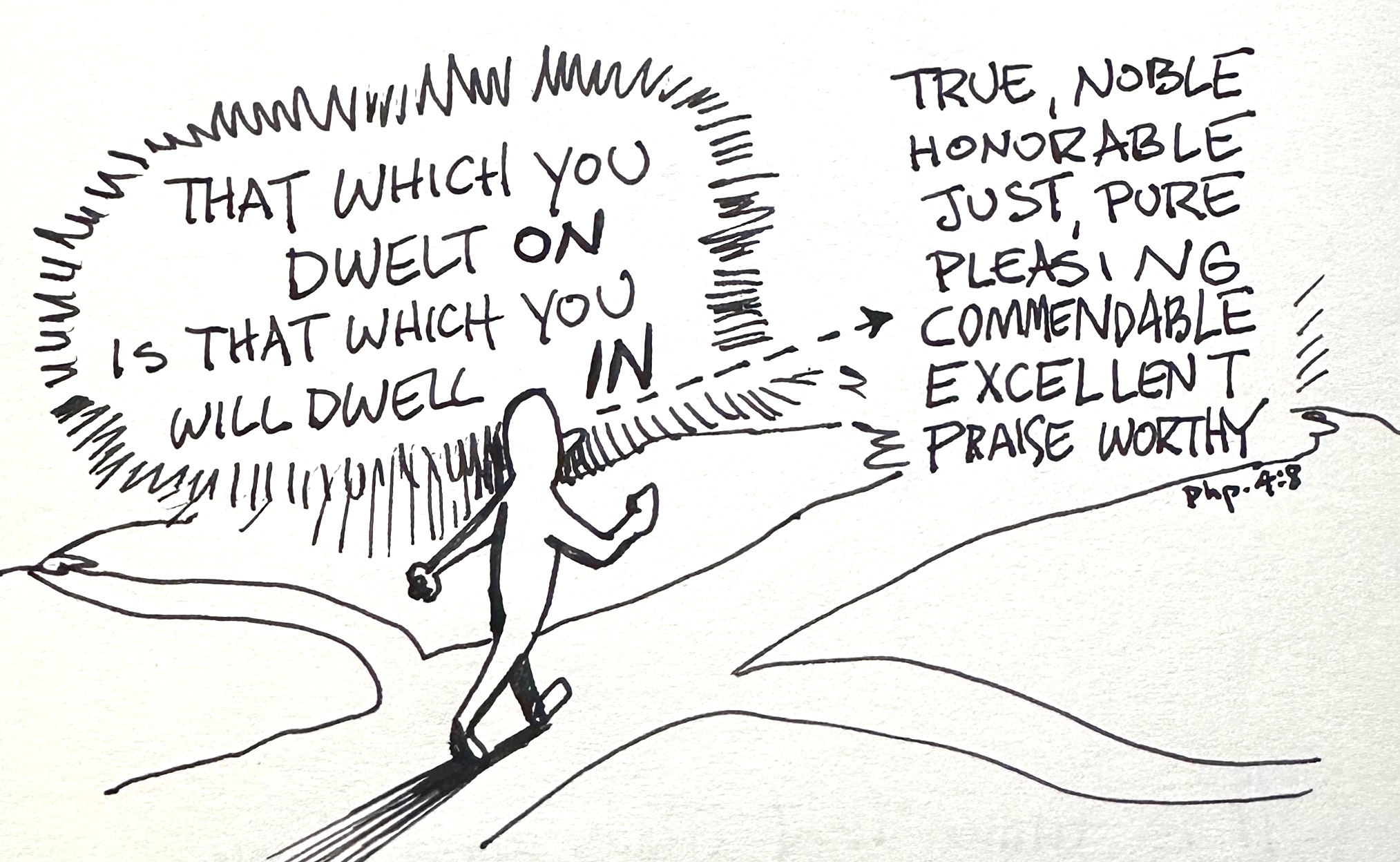
I like how the reading from Philippians pairs with this interpretation. Paul is encouraging his friends to stay strong in the face of persecution. Rejoice in everything. Don’t worry. Focus on what is true, honorable, just, pure, pleasing, commendable, excellent and praiseworthy.
Perhaps, in today’s fixation on negativity and trash-talk politics, it might be helpful to take a cue from Jesus’ posture of non-violent, silent resistance to domination systems.
May we lead with love and courage this week.
Narrative Lectionary Resources
Food for Thought
This week we skip from the parting of the Red Sea in Exodus 14 to God’s conversation with the people at Mt. Sinai in Exodus 19-20. The stories that happen in chapters 15-18 are important and often ignored.
Here is a quick recap:
- ch. 15. Moses and Miriam each sing a song of God’s salvation.
- The bitter water was made sweet. God makes a promise to not bring disease on them, if they do what God says.
ch. 16. The people have been traveling for 1.5 months without food. They complain. The LORD gives them quail and manna to eat. It is their daily bread. They call it “manna” which means, “what is it?” (note: the sabbath is mentioned before the Ten Commandments are given) - ch. 17. There is no water. The people complain. Moses strikes the rock at Horeb and it produces water. Moses called the place Massah (test) and Meribah (quarrel) because the people asked, “Is the LORD among us or not?”
- Amalek attacks and the people defeat him because Moses kept his arms raised to God.
- ch. 18. Moses is reunited with his wife and children and receives wise counsel from Jethro, his father-in-law. Moses establishes a system of government to judge the people.
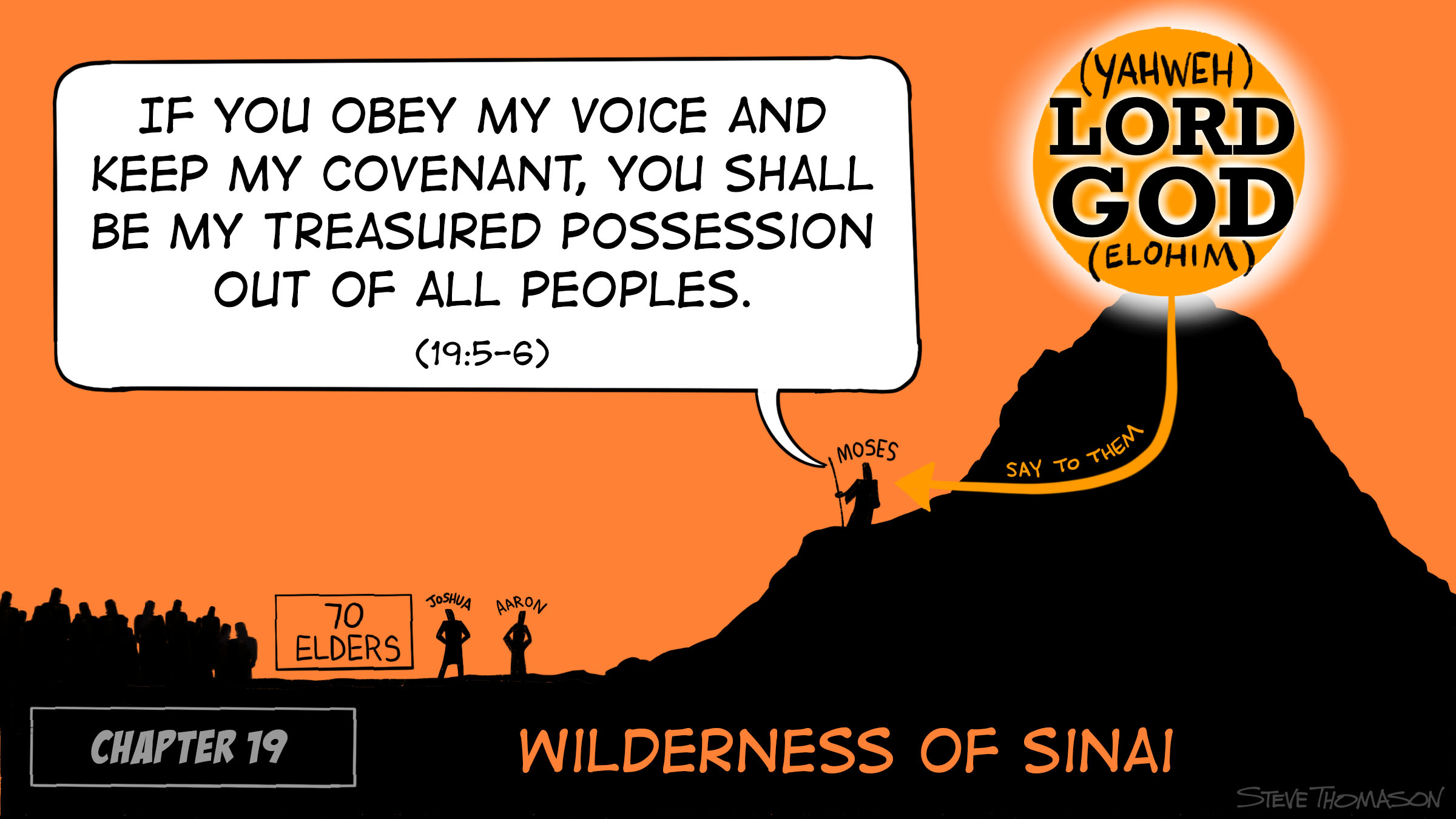
We come to our story this week in chapter 19. God speaks to the people through Moses from Mt. Sinai. The LORD make an invitation to the people, “if you obey my voice and keep my covenant, you shall be my treasured possession out of all the peoples. Indeed, the whole earth is mine, but you shall be for me a priestly kingdom and a holy nation (Exodus 19:5-6).”
This is the continuation of God’s promise to Abraham. I will bless you, and through your family I will bless all families. The people tell Moses that they will obey God and agree to be a priestly nation.
Moses brings the people to the foot of the mountain the LORD shows up on top of Mt. Sinai, wrapped in smoke and fire. The LORD speaks in thunder. The mountain is shaking violently.
Then God spoke the words of the Ten Commandments directly to the people, in a voice like thunder.
Read more here about how to think about the The Ten Commandments today.
Download Everything for FREE!
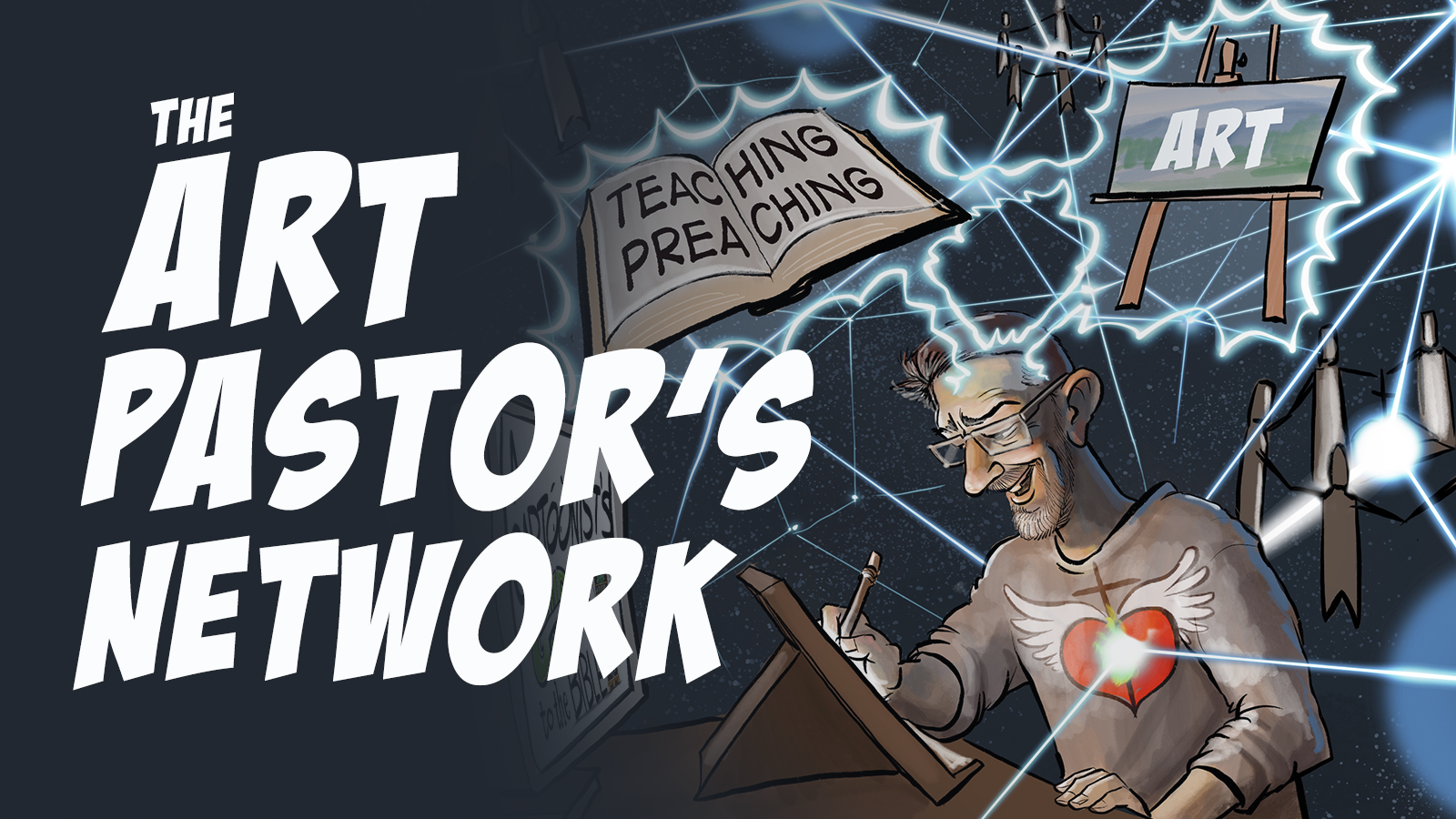
Members of the Network will receive the following benefits:
Weekly Bible Study on Zoom
Every Monday afternoon a group of us join on Zoom from around the world to study the Bible together. We use the texts from the Revised Common Lectionary and the Narrative Lectionary for the upcoming Sunday as our focus.
Exclusive Content
Members of the Network get to download all of my resources for FREE, and there is content on the network that is not available anywhere else.
Access to the Art Pastor
I am very active and accessible on the Network. This is the best way to be in direct contact with me. I’d love to get to know you and how we can partner in God’s mission for your life.
Members Only Classes
I offer classes on the network that are not accessible anywhere else. These classes are asynchronous, so you can learn in your own time and space. Or, take a small group through it with you.
Get Weekly Resources Delivered Directly to You!
If you would like to wake up every Monday morning to the visual resources for the RCL and the Narrative lectionary waiting for you in your inbox, then fill out the form below. This email list will be used for only two reasons:
- to deliver weekly visual resources, and
- the occasional announcement of a new resource from A Cartoonist’s Guide to the Bible.
